
Keeping your home pest-free is a shared goal. In multi-unit buildings, pests like mice and roaches travel through shared walls and plumbing. This means one unit’s habits can affect the whole floor.
By following this guide, you’ll protect your space and make your unit the least attractive destination for pests in the building.
1. Deny the “Big Three”
Pests (mice, roaches, and ants) move in when they find three things: Food, Water, and Shelter. If you remove even one, they’ll likely move on to an easier target.
-
-
Food: Crumbs, open bags, and pet food.
-
Water: Leaky pipes and standing water.
-
Shelter: Cardboard boxes and cluttered corners.
-
The Golden Rule: Deny them these three things, and they will move on to an easier target.
2. Your Kitchen Battle Plan
The kitchen is the #1 target for pests. Odors travel, and even tiny crumbs are a feast.
Smart Food Storage
-
-
Airtight Containers: Move flour, cereal, and pasta into hard plastic or glass containers. Pests chew right through cardboard and paper.
-
Pet Food: Store pet food in sealed bins immediately. Never leave food bowls out overnight.
-
Fruit: Don’t leave fruit out for more than a day; overripe fruit is a magnet for flies and ants.
-
Cleaning Habits
-
-
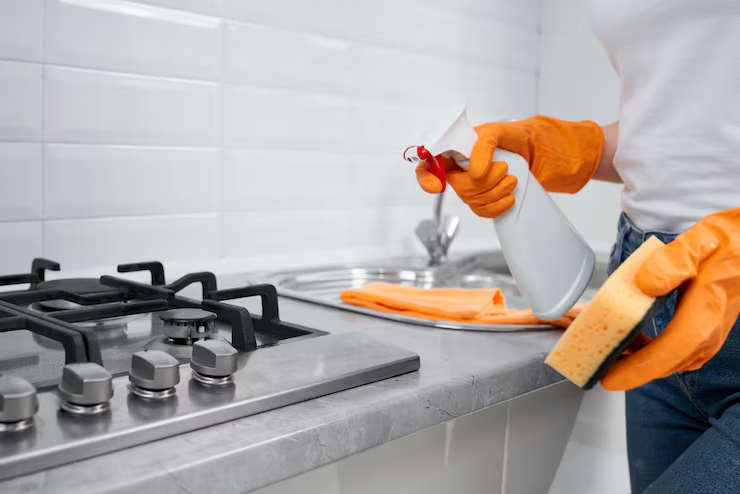
Zero-Crumb Policy: Wipe stovetops (grease attracts roaches!) and sweep floors daily. Pay attention to the hidden gaps behind the toaster and microwave.
-
Sink Care: Never leave dirty dishes overnight. If you can’t wash them, soak them in soapy water so pests can’t reach the food residue.
-
Trash Strategy: Use a bin with a tight-fitting lid and take trash out every 1–2 days.
-
3. Eliminate Water Sources
Water is critical for pests—cockroaches, in particular, are driven by moisture.
-
-
Report Leaks: Report any dripping faucets, running toilets, or slow drains to management immediately.
-
-
-
Dry Your Sinks: After doing dishes, wipe the sink basin dry.
-
Manage Humidity: Run your bathroom fan for 15 minutes after showering to prevent mold and silverfish.
-
4. Seal Entry Points & Reduce Clutter
A mouse can squeeze through a gap the size of a dime, and a roach through a crack thinner than a credit card.
-
-
Check the Gaps: Look for openings around pipes (under sinks) or gaps in baseboards. Report these to management for sealing.
-
Ditch the Cardboard: Cardboard is a favorite nesting material. Switch to plastic bins for storage, especially under beds or in closets.
-
Furniture Placement: Keep furniture an inch or two away from walls. This removes “hidden highways” for rodents and makes inspection easier.
-
5. Early Detection: Know the Signs
Early detection is everything when it comes to pest control. A small problem addressed immediately is always far easier and less costly to resolve than an established infestation. Report concerns to management at the very first sign — do not wait to see if it gets worse.
-
-
Droppings: Rodent or cockroach activity. Mouse droppings are small, dark, and pellet-shaped. Roach droppings resemble coffee grounds near food sources.
-
Gnaw marks: Rodent activity on wood, wiring, food packaging, or walls. Report immediately — rodents chewing on wiring create fire hazards.
-
Greasy rub marks: Mice and rats have oily fur and leave dark smear marks along walls and baseboards where they frequently travel.
-
Unusual odors: A musty, ammonia-like, or oily smell may indicate a rodent nest or roach infestation nearby.
-
Scratching or rustling sounds: Especially at night inside walls, ceilings, or under appliances. Rodents are nocturnal and most active after dark.
-
Damaged food packaging: Gnaw holes in cereal boxes, bags, or cardboard packaging indicate rodent access to your pantry.
-
Live or dead insects: A single cockroach seen during the day often indicates a significant population. Cockroaches are nocturnal and hide when numbers are low.
-
Shed skins or egg casings: Cockroach egg casings (ootheca) are small, brown, and oblong. Finding these indicates active breeding
-
6. Your Monthly Pest-Free Checklist
-
-
[ ] All dry goods and pet food stored in airtight, hard-sided containers.
-
[ ] No dirty dishes or standing water left in sinks overnight.
-
[ ] Trash and recycling bins have tight lids and are emptied regularly.
-
[ ] Cardboard boxes removed; items moved to plastic bins.
-
[ ] No food or crumbs in bedrooms or living areas.
-
[ ] All leaks or gaps around pipes reported to management.
-
Report a Pest Concern – Contact Us Immediately:
Don’t wait! If you spot signs of rodents or pests, early reporting allows us to respond quickly and prevents the issue from spreading to your neighbors.